
Laboratory Testing for Dogs: Why It Matters in Dermatology
If your veterinarian has recommended laboratory testing for your dog, you may be wondering why it's necessary—especially if your pet's primary problem is skin disease or ear infections. At Dermatology Clinic for Animals, laboratory testing is an important tool that helps us diagnose underlying conditions, monitor medications safely, and provide the most effective treatment plan for your dog.
Rather than relying on information from "Dr. Google," we've answered some of the most common questions about laboratory testing and how it fits into veterinary dermatology.
If you're looking for a highly trained veterinarian inLacey, WA, we'd be happy to evaluate your dog's skin or ear condition. Please call us at (360) 350-4756 .
Why might my dog need blood work?
Blood work is often an essential part of diagnosing or managing skin disease. While many dermatologic conditions are visible on the surface, the underlying cause may involve the immune system, hormones, internal organs, or medications that require monitoring.
We commonly recommend laboratory testing to:
- Screen for diseases that can mimic allergies or skin disease
- Evaluate hormonal disorders that affect the skin, such as thyroid disease or Cushing's disease
- Monitor dogs receiving medications such as Apoquel®, cyclosporine, steroids, or other immunomodulatory therapies
- Assess overall health before anesthesia for skin biopsies or surgical procedures
- Monitor patients with autoimmune or immune-mediated diseases
- Evaluate pets that are ill or have unexplained changes in skin or ear health
Why are laboratory tests so important?
Dogs cannot tell us when they aren't feeling well, and many internal diseases can first appear as changes in the skin or coat. Laboratory testing allows us to identify problems that cannot be seen during a physical examination and helps ensure that treatment decisions are both accurate and safe.
For dogs receiving long-term medications, routine monitoring can also detect potential side effects before they become serious.
What types of laboratory testing do you perform?
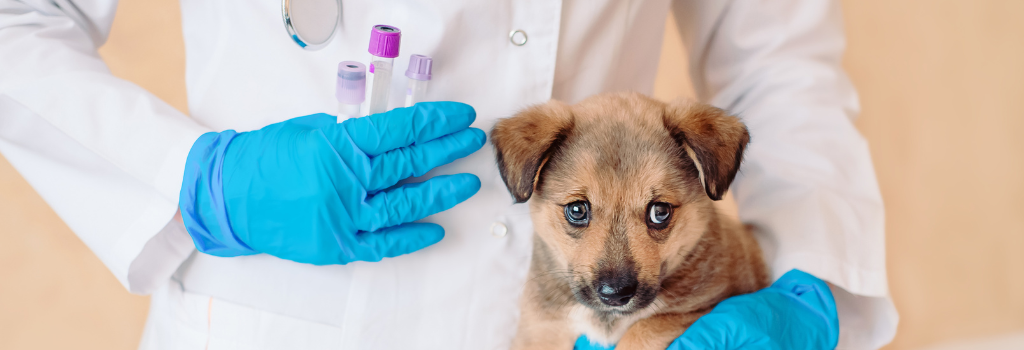
Depending on your dog's condition, we may recommend:
- Complete blood counts (CBC)
- Blood chemistry panels
- Urinalysis
- Thyroid testing
- Endocrine testing for hormonal diseases
- Cytology of the skin or ears to identify bacteria, yeast, or inflammatory cells
- Skin biopsies for histopathology
- Fine needle aspiration or biopsy of suspicious masses
- Bacterial or fungal cultures when indicated
Many dermatologic diagnoses rely on combining several of these tests rather than any single result.
Why do skin and ear cytology matter?
Cytology is one of the most valuable tools in veterinary dermatology. By examining cells collected from your dog's skin or ears under the microscope, we can identify bacteria, yeast, inflammatory cells, parasites, and other abnormalities that help guide treatment.
This allows us to target the underlying problem rather than simply treating symptoms.
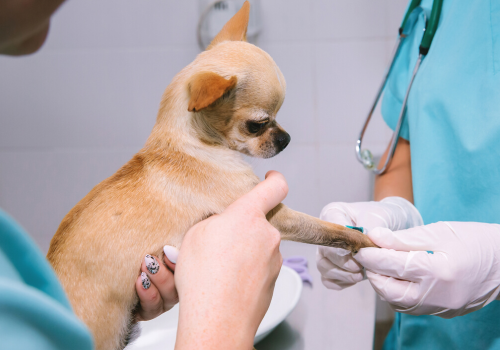
What do blood chemistry results tell us?
Blood chemistry panels evaluate many of your dog's internal organs and body systems. For example:
- Kidney values help assess renal function and hydration status.
- Liver values evaluate liver health and how your pet may process medications.
- Electrolytes provide information about fluid balance and systemic disease.
- Blood glucose can identify diabetes or other metabolic disorders.
- Protein levels may reflect inflammation, immune disease, or organ dysfunction.
These results help us determine whether underlying disease may be contributing to your dog's dermatologic problems and whether medications can be used safely.
Why do dogs on allergy medications sometimes need routine monitoring?
Many medications used to control allergies and immune-mediated skin disease are very safe but still benefit from periodic monitoring. Blood work allows us to identify unexpected changes early and helps ensure your dog can remain on therapy safely for the long term.
Monitoring recommendations vary depending on the medication and your dog's individual health status.
Why might my dog need hormone testing?
Hormonal disorders can significantly affect the skin and coat. Conditions such as hypothyroidism or Cushing's disease may cause hair loss, recurrent infections, poor hair regrowth, or changes in skin quality that resemble allergies.
Identifying these conditions is essential because treating the underlying hormonal imbalance often improves the skin disease as well.
Why is early diagnosis so important?
The sooner we identify the underlying cause of your dog's skin or ear disease, the sooner we can begin targeted treatment. Chronic infections, allergies, autoimmune diseases, hormonal disorders, and certain cancers often become more difficult to manage if allowed to progress unchecked.
Laboratory testing helps us move beyond treating symptoms and toward identifying the root cause of the problem, leading to better long-term outcomes and improved quality of life.
At Dermatology Clinic for Animals, we use laboratory testing as part of a comprehensive diagnostic approach designed specifically for dogs with skin and ear disease. If you have questions about recommended testing or your pet's results, call us at (360) 350-4756 or email [email protected]. Our team is always happy to help you understand your dog's care plan.