
Cat Dermatology Medications FAQs
If your cat has recently been prescribed a medication for a skin or ear condition, you may have turned to the internet looking for more information. We understand wanting to learn everything you can about your cat’s treatment plan. At Dermatology Clinic for Animals, our goal is to provide accurate, evidence-based information so you can feel confident in your pet’s care.
Our practice focuses on diagnosing and treating allergies and diseases of the skin and ears. Below are answers to some of the most common questions we receive about medications used in feline dermatology.
If your cat needs specialized care for chronic itching, recurrent ear infections, hair loss, or other skin concerns in Lacey, WA, call us at (360) 350-4756 to schedule an appointment.
What guidelines are followed to ensure medications are safe for cats?
Many medications prescribed for cats are regulated by the FDA and have undergone extensive research to establish safe dosing and efficacy. Some drugs are specifically labeled for veterinary use, while others are prescribed "off-label" based on scientific evidence and years of clinical experience.
At Dermatology Clinic for Animals, we carefully weigh the benefits and potential risks of every medication and monitor patients appropriately to maximize safety and effectiveness.
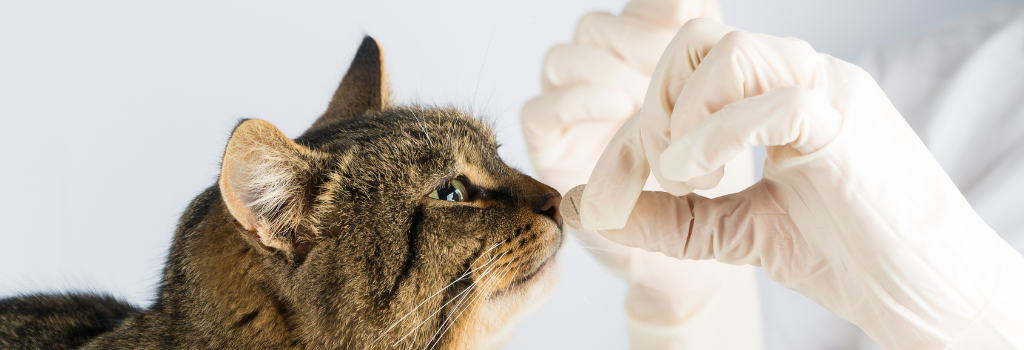
What medications are commonly used to treat skin and ear disease in cats?
The medications prescribed depend entirely on the underlying diagnosis. Depending on your cat's condition, treatment may include:
- Anti-inflammatory medications
- Immune-modulating medications
- Antibiotics for bacterial skin infections
- Antifungal medications for yeast infections
- Topical creams, sprays, mousses, or medicated wipes
- Ear medications for otitis externa
- Anti-parasitic medications when fleas or mites are involved
- Medications to control itching or allergic inflammation
Depending on the medication, some drugs may be available in flavored liquids or transdermal formulations to make administration easier. However, compounding is not possible for every medication, and compounded products are not always absorbed or perform as effectively as FDA-approved formulations. Whenever possible, we prefer to use medications that have demonstrated safety and efficacy in their original form.
Are prescription medications better than over-the-counter products?
In many cases, yes. Prescription medications have undergone rigorous testing for safety and efficacy and are prescribed specifically for your cat's diagnosis.
Many over-the-counter products have limited evidence supporting their effectiveness, and some can even be harmful to cats. Certain flea products, human medications, and herbal supplements may cause serious toxicity.
Always consult your veterinarian before starting any medication or supplement.
How can I make giving medication easier?
Every cat is different, but some strategies that may help include:
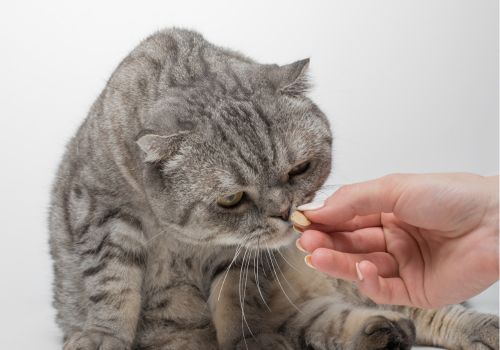
- If your cat is not undergoing a food trial, hiding pills in a veterinarian-approved treat or pill pocket may be an option for food-motivated cats.
- Using a pill gun or pill popper to safely administer tablets or capsules.
- Asking whether the medication can be compounded into a flavored liquid or transdermal preparation if an appropriate formulation exists.
- Wrapping your cat gently in a towel or blanket for restraint.
- Following pills with water or food when recommended to reduce the risk of esophageal irritation.
However, compounding is not always possible or appropriate for every medication. Some compounded formulations may have reduced stability or absorption compared with commercially manufactured products, and in certain cases they may not achieve the desired therapeutic effect.
If your cat is participating in a food elimination trial to diagnose food allergies, do not hide medications in treats or flavored pill pockets unless specifically approved by your veterinarian. Even small amounts of unapproved proteins or ingredients can invalidate the diet trial and prevent an accurate diagnosis. During a food trial, only the prescribed diet and approved medications or treats should be given.
If you're struggling to medicate your cat, let us know. We can discuss alternative options when available and help determine the best strategy for your individual pet.
Can supplements alone treat skin allergies or ear disease?
While certain supplements, such as omega-3 fatty acids, may help support skin health in some cats, supplements alone are rarely sufficient to treat allergic skin disease or chronic ear conditions.
Many dermatologic diseases require prescription medications, allergen avoidance, treatment of secondary infections, or carefully supervised diet trials to achieve long-term control.
Why shouldn't I self-diagnose or give my cat human medications?
Cats often hide illness until it becomes severe, making proper diagnosis essential before starting treatment.
Many human medications—including acetaminophen (Tylenol), ibuprofen, and naproxen—can be extremely toxic or even fatal to cats. Even medications that are safe for people may require completely different dosing in cats.
Rather than trying over-the-counter remedies, have your cat examined so the underlying cause can be accurately diagnosed and treated.
Why is early treatment important?
Skin and ear disease often worsen over time if left untreated. Chronic inflammation can lead to secondary bacterial or yeast infections, permanent skin changes, discomfort, and decreased quality of life.
Early diagnosis allows us to identify the underlying cause and begin targeted therapy before complications develop.
Should I purchase medications through my veterinarian?
Whenever possible, we recommend obtaining medications directly from your veterinarian or through your veterinarian's approved pharmacy.
Unfortunately, counterfeit medications and improperly stored products have been identified through some online retailers. Purchasing through your veterinary team helps ensure your cat receives authentic medications that have been stored appropriately and dispensed at the correct dose.
When should I contact Dermatology Clinic for Animals?
If your cat develops chronic itching, recurrent ear infections, hair loss, excessive grooming, skin lesions, or persistent inflammation, specialized dermatologic evaluation may be warranted.
Our team focuses on identifying the underlying cause of skin and ear disease and developing individualized treatment plans that may include prescription medications, diet trials, allergy management, topical therapy, or long-term monitoring. While we evaluate food allergies as part of dermatologic care, routine wellness and general nutritional management should continue through your primary care veterinarian.
If you have questions or would like to schedule an appointment, call us at (360) 350-4756 or email [email protected]. We look forward to helping your cat live a healthier, more comfortable life.